Best Lens for Portrait Photography (Understanding What Different Lenses Do)
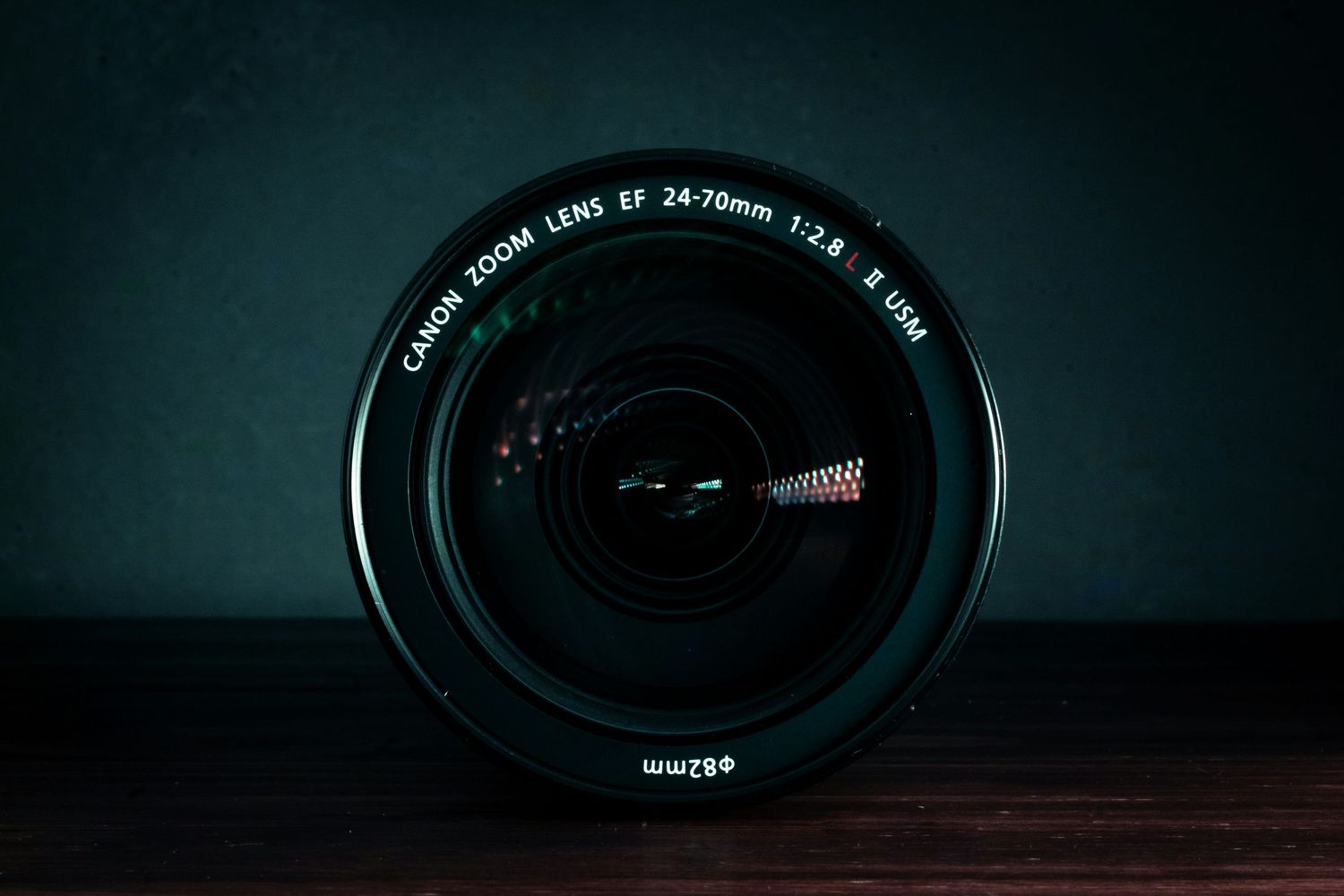
If you spend any time around photographers, you will eventually hear the question:
“What is the best lens for portrait photography?” It’s a common question, especially for photographers who are just beginning to explore different lenses and focal lengths.
The truth is that there isn’t one single “best” lens. Every lens serves a different purpose and creates a different visual feel. The lens you choose changes how a subject appears in the frame, how the background looks, and how much of the scene is included in the image.
Two photographers can stand in the same place, photograph the same subject, and create completely different images simply by choosing different lenses. Understanding how lenses change the look of an image is one of the most exciting parts of learning photography.
My photography journey began on a 35mm film camera, where I first learned the fundamentals of exposure and how light shapes an image. From there I moved into Canon’s digital system, beginning with the Canon EOS Rebel T4i and later the Canon EOS Rebel T7. These cameras were a great introduction to digital photography and helped me continue learning how to control light and composition.
As I grew more serious about photography, I upgraded to a used Canon EOS 5D Mark III, which became my primary camera for many years. The move to a full-frame camera made a noticeable difference in image quality and depth of field. Eventually I added a second 5D Mark III so I could work with two camera bodies during sessions. Later on I transitioned into Canon’s mirrorless system and traded one of my DSLR bodies toward a Canon EOS R6, which opened the door to Canon’s newer RF lenses.
Before diving into portrait lenses and focal lengths, it helps to understand that there are two main types of lenses in the modern Canon system: EF lenses and RF lenses. EF lenses were designed for Canon’s DSLR cameras, such as the Canon EOS 5D Mark III. These lenses were the standard for many years and are known for their reliability and excellent image quality.
Canon later introduced a new mirrorless system with the RF mount, used on cameras like the Canon EOS R6. RF lenses are specifically designed for these newer mirrorless cameras and take advantage of improved optics and communication between the camera body and lens. Because many photographers already owned EF lenses, Canon created the Canon Mount Adapter EF-EOS R, which allows EF lenses to be used on RF mirrorless cameras. This adapter made the transition between systems much easier.
When I first moved from my DSLR to my mirrorless setup, I was able to continue using my EF lenses on my R6 body with the adapter while gradually upgrading to RF lenses over time. This allowed me to keep photographing sessions without needing to replace every lens immediately.
Over time I added some of Canon’s newer RF lenses to my kit, including the Canon RF 70-200mm f/2.8L IS USM Z and the Canon RF 28-70mm f/2L USM, both of which have become incredibly versatile tools in my portrait work.
Modern cameras and lenses continue to improve every year, but one important thing to remember is that great photography is not created by gear alone. It’s possible to have the newest camera body and the most expensive lenses available and still struggle to create strong images if you don’t understand light, composition, and timing. At the same time, photographers can create incredible images using older equipment when they truly understand how to use it well.
Some of the photographs I’m most proud of were created with cameras that many people today would consider outdated. In fact, I still have a deep appreciation for the Canon EOS 5D Mark III. It was an incredibly durable camera body that produced beautiful files and held up through years of use. Even though I now shoot with newer mirrorless equipment, I still regularly use some of my EF lenses. Many of them produce incredible results and continue to be an important part of my lens collection.
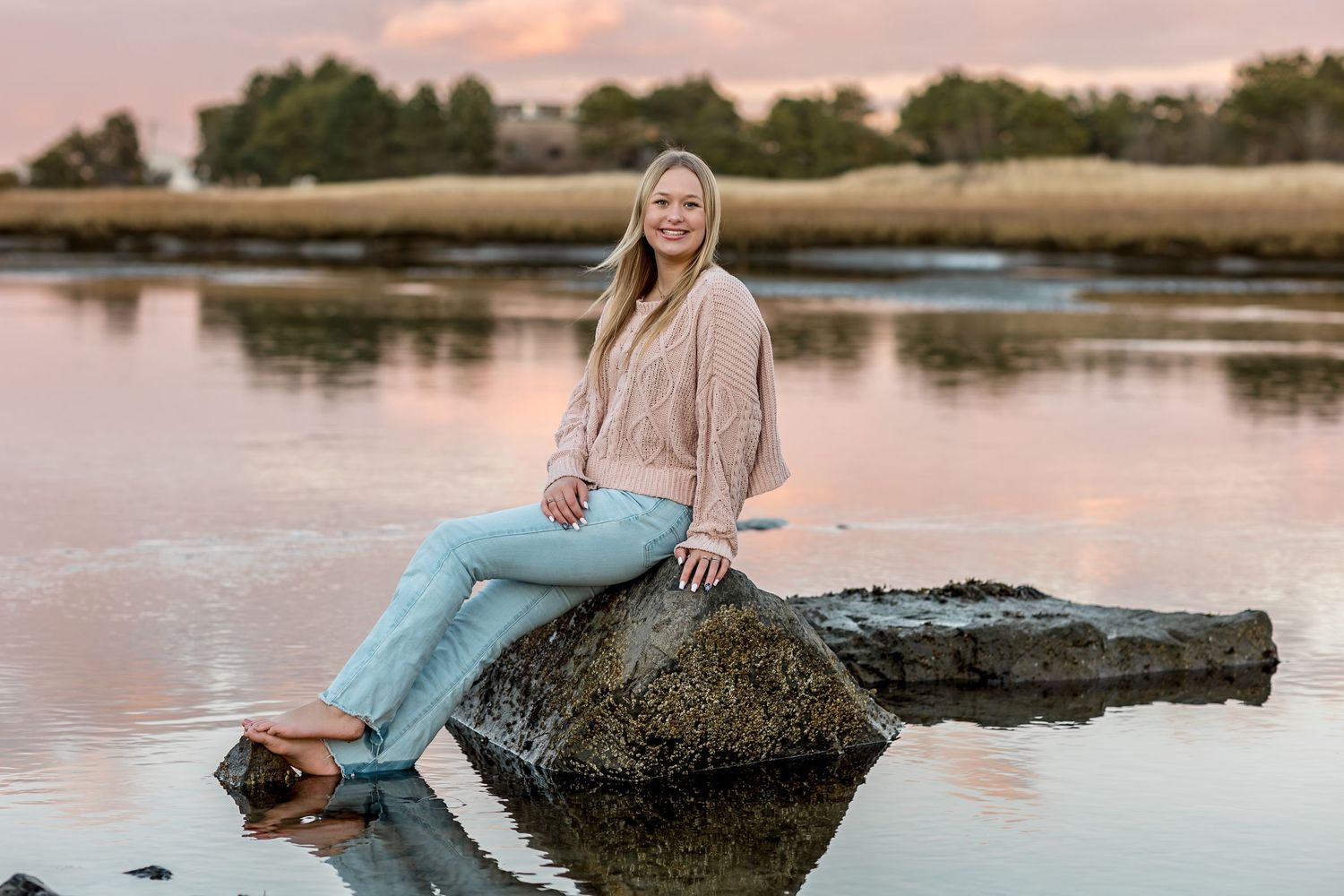
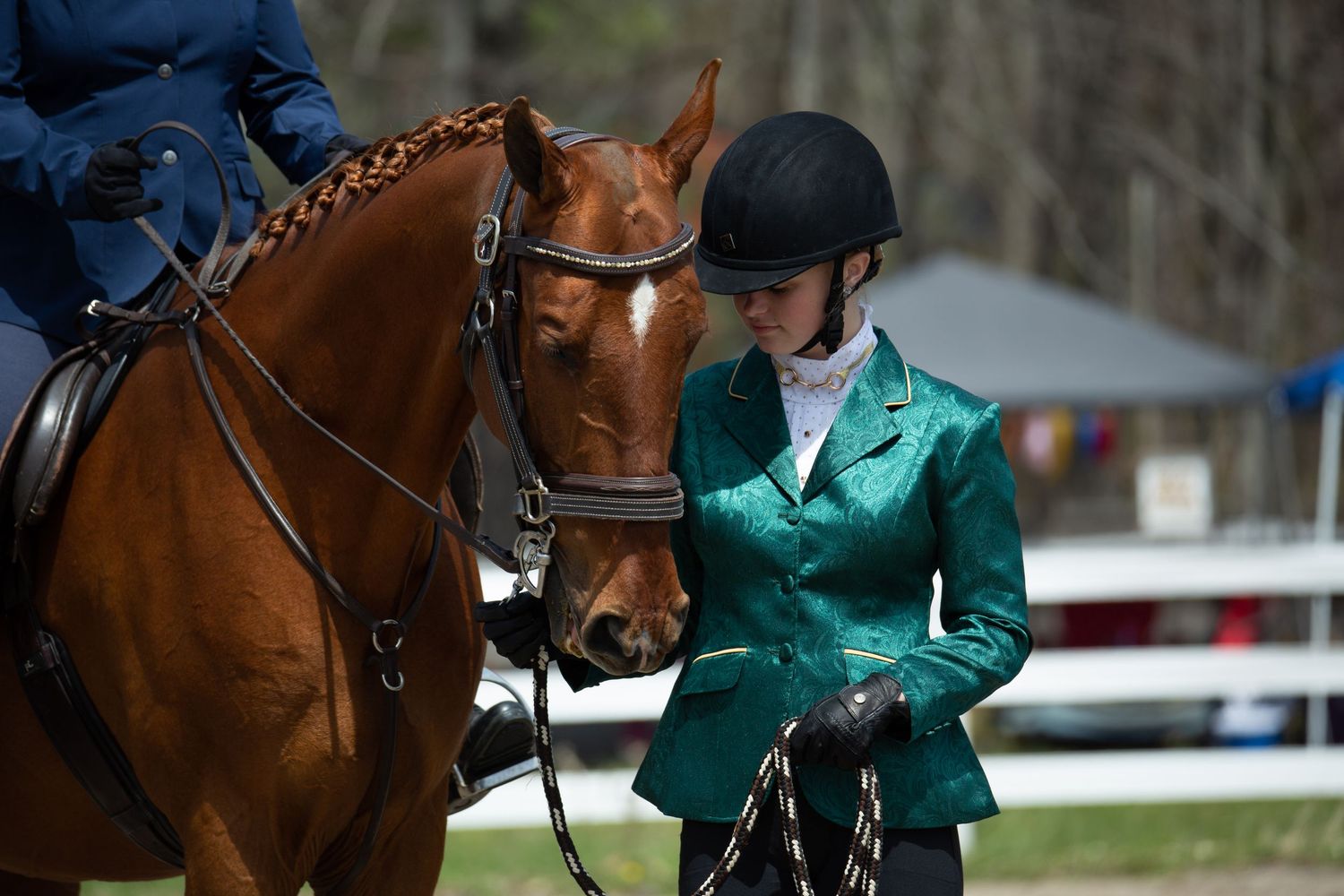
One focal length I especially love working with is 135mm. In fact, when I’m using my 70–200 lens, I often find myself naturally framing images right around that range. A focal length like 135mm creates beautiful compression and allows the background to soften dramatically while keeping the subject in crisp focus. This type of look is often seen in the work of portrait photographers like Daniel Venter, where the subject stands out clearly while the background melts into soft color and light.
Technology will always evolve, but the fundamentals of photography remain the same. Learning how light works and understanding how lenses shape an image will always matter more than simply owning the newest gear.
While camera bodies continue to evolve, many photographers will tell you that the lens often has a greater impact on the final image than the camera itself. Different lenses change how a scene is captured. They influence how much of the environment appears in the frame, how the background looks, and how a subject is separated from the scene around them. This is why photographers carefully choose specific lenses depending on the type of photograph they want to create. One of the most important factors that determines how a lens behaves is something called focal length.
Focal length is measured in millimeters (mm) and describes how wide or narrow a lens appears when photographing a scene. Smaller numbers such as 24mm or 35mm show more of the environment and are often referred to as wide lenses. Mid-range lenses like 50mm provide a perspective that feels natural and balanced. Longer focal lengths such as 85mm, 135mm, or 200mm are commonly used for portrait photography because they compress the background and create beautiful separation between the subject and the scene behind them. Each focal length creates a slightly different visual style.
Another important distinction when choosing lenses is the difference between prime lenses and zoom lenses.
A prime lens has a fixed focal length, meaning it does not zoom in or out. Examples include lenses such as 35mm, 50mm, 85mm, or 135mm. Because prime lenses are designed for a single focal length, they often have a simpler optical design. This can allow them to produce exceptional sharpness and wider apertures, which makes them especially popular for portrait photography. Wider apertures also allow photographers to create strong background blur and beautiful subject separation.
A zoom lens, on the other hand, allows the photographer to adjust focal length within a range. For example, a 70–200mm lens allows you to zoom from 70mm all the way to 200mm without changing lenses.
Zoom lenses offer incredible flexibility, especially during portrait sessions where it may not be practical to switch lenses frequently. They allow photographers to quickly adjust framing and composition while continuing to focus on the moment.
Modern professional zoom lenses have become extremely sharp and capable, which means many photographers use both primes and zooms depending on the situation. In my own work, I often use both. Prime lenses like the 135mm can create beautiful subject separation, while zoom lenses like the 70–200mm allow me to adapt quickly as moments unfold during a session.
One of the most interesting effects that different lenses create is something photographers call lens compression.
Lens compression refers to the way longer focal lengths change how the background appears in relation to the subject. When using a telephoto lens: such as an 85mm, 135mm, or 200mm... the background appears to move visually closer to the subject. This creates a softer, more compressed look that many portrait photographers love.
In portraits, this effect helps the subject stand out more clearly while the background melts into soft color and light. This is one reason why lenses like 135mm or the longer end of a 70–200mm lens are often favorites among portrait photographers. The longer focal length allows the photographer to step back slightly while still filling the frame with the subject, which produces beautiful background blur and flattering perspective. This style of portrait is often seen in the work of photographers such as Daniel Venter, where the subject remains tack sharp while the background becomes incredibly soft and painterly. The result is an image that feels more cinematic and focused on the subject, which is why telephoto lenses are so commonly used in portrait photography.
Different portrait lenses create different moods in an image. A 35mm lens often includes more of the environment and can help tell a story about the location. A 50mm lens provides a natural perspective that feels similar to what the human eye sees. An 85mm lens is often considered a classic portrait lens because it flatters facial features and produces soft background blur. A 135mm lens creates beautiful compression and strong subject separation, which gives portraits a more cinematic and dreamy feel. Many photographers choose specific portrait photography lenses because different focal lengths create different moods and perspectives in an image.
Over time I’ve found myself reaching for certain lenses more often depending on the session. The RF 35mm is great for environmental portraits where I want to include some of the surrounding scenery. The RF 28-70mm f/2 has become incredibly versatile because it allows me to quickly adjust framing while maintaining beautiful image quality. The RF 70-200mm is one of my favorite lenses for outdoor sessions because it allows me to create strong background compression and soft bokeh while keeping a comfortable distance from my subjects. Each lens serves a different purpose, and choosing the right one helps shape the mood and feel of the photograph.
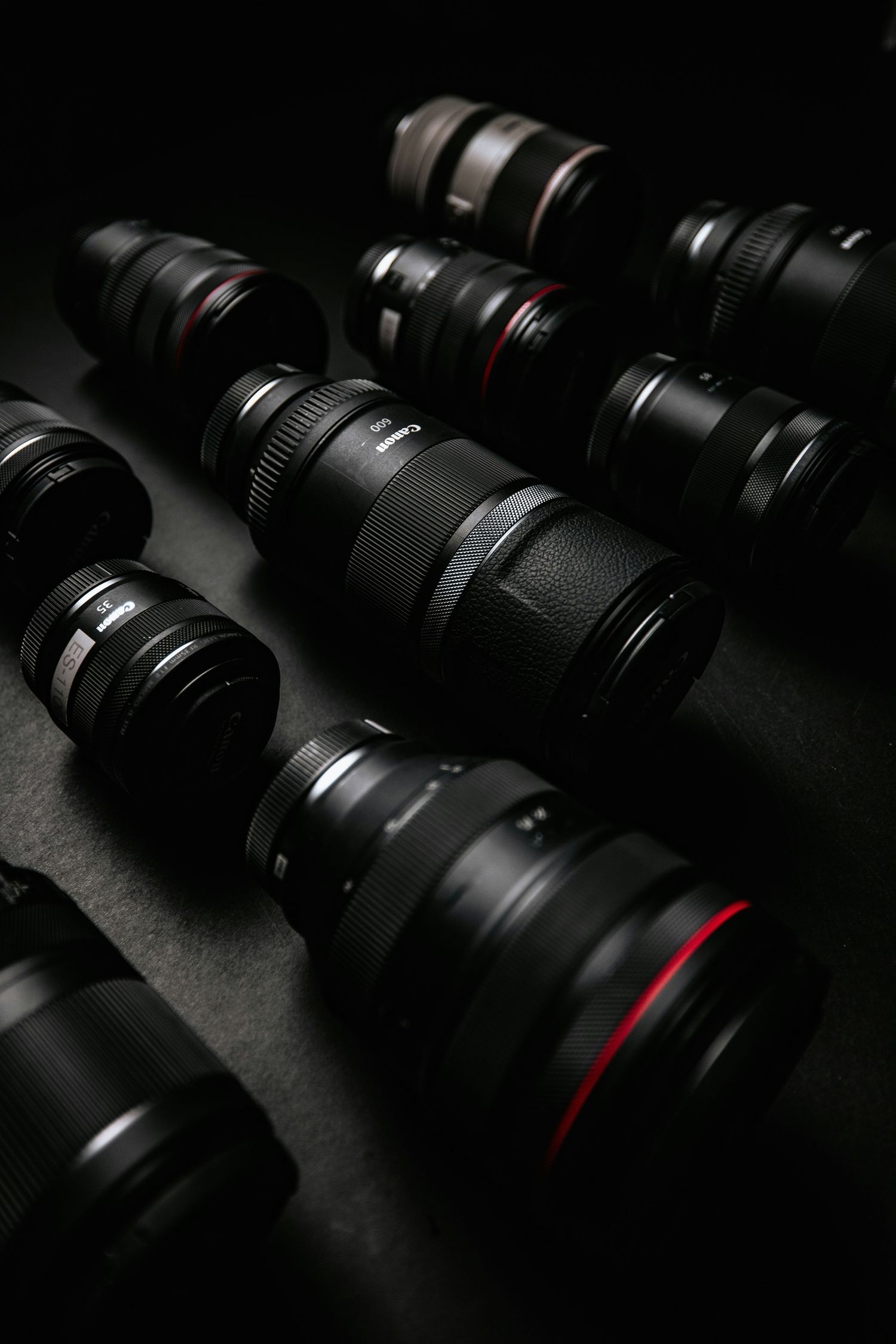
Over time I’ve built a lens kit that allows me to photograph a wide range of situations, from environmental portraits to tightly framed images with beautiful background separation. Some of the lenses I reach for most often include:
• Canon RF 35mm f/1.8 Macro IS STM – a great lens for environmental portraits and storytelling images that include more of the surrounding scene.
• Canon EF 85mm f/1.8 USM – a classic portrait focal length that produces flattering perspective and soft background blur.
• Canon EF 135mm f/2L USM – one of my favorite lenses for portrait work. The compression and subject separation it creates can produce incredibly beautiful, dreamy images.
• Canon RF 28-70mm f/2L USM – an extremely versatile lens that allows me to move quickly between different compositions while maintaining excellent image quality.
• Canon RF 70-200mm f/2.8L IS USM Z – a powerful portrait lens that allows me to work from a comfortable distance while creating strong background compression and beautiful bokeh.
Each of these lenses serves a slightly different purpose, and choosing the right one helps shape the mood and feel of the photograph. While the gear itself is important, understanding how to use each lens creatively is what truly shapes the final image.
There isn’t a single “best” lens in photography. Every lens offers a different perspective and creative possibility. Understanding how focal length changes the look of an image allows photographers to choose the right tool for the moment. In the end, great photography comes from a combination of light, timing, connection, and the thoughtful use of the tools available to you.
While learning photography can be incredibly rewarding, many families choose to hire a professional photographer so they can relax and enjoy the moment rather than worry about the camera.
At Katrina Brothers Photography, sessions are designed to feel natural, relaxed, and connected while capturing meaningful portraits along the southern Maine coastline.