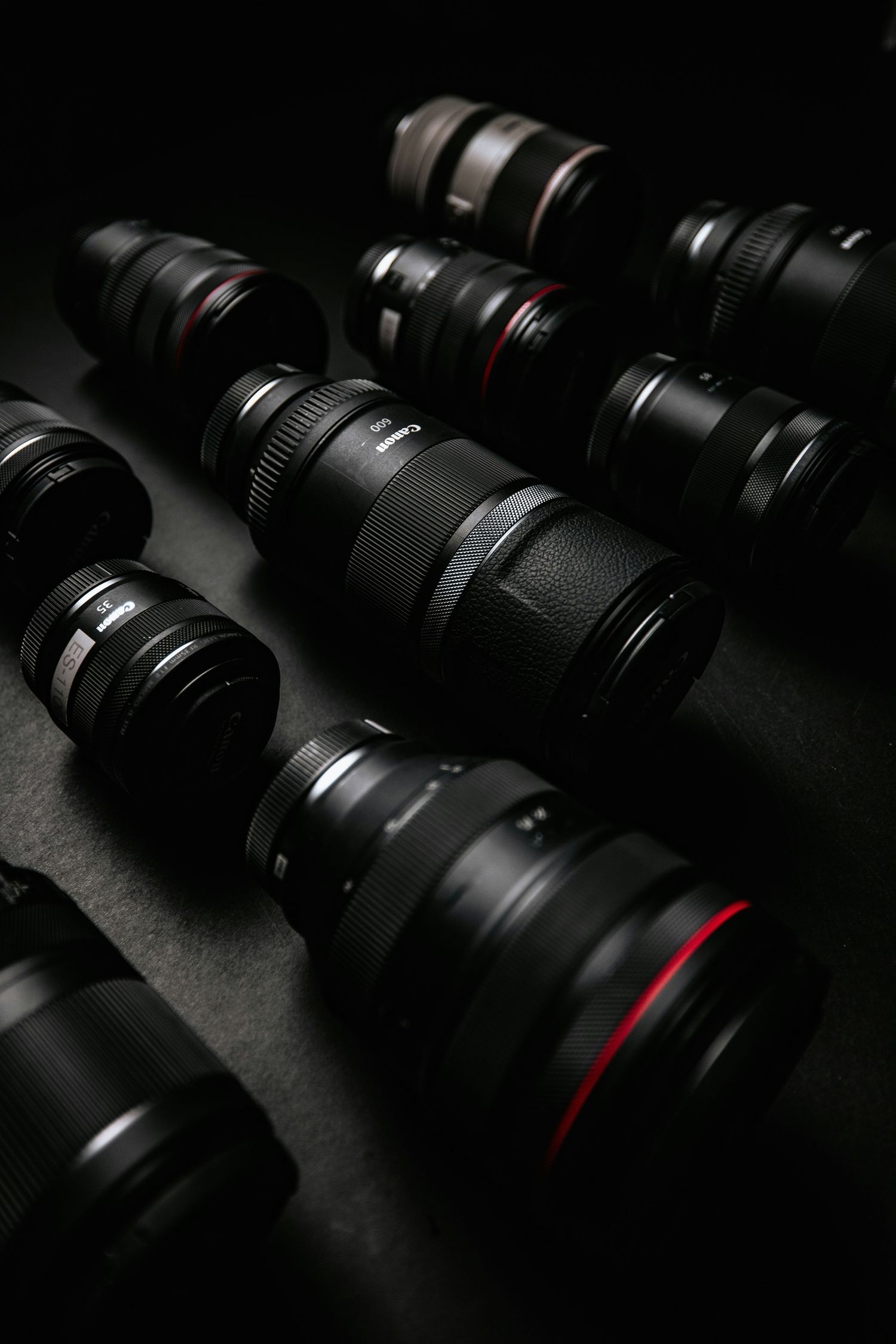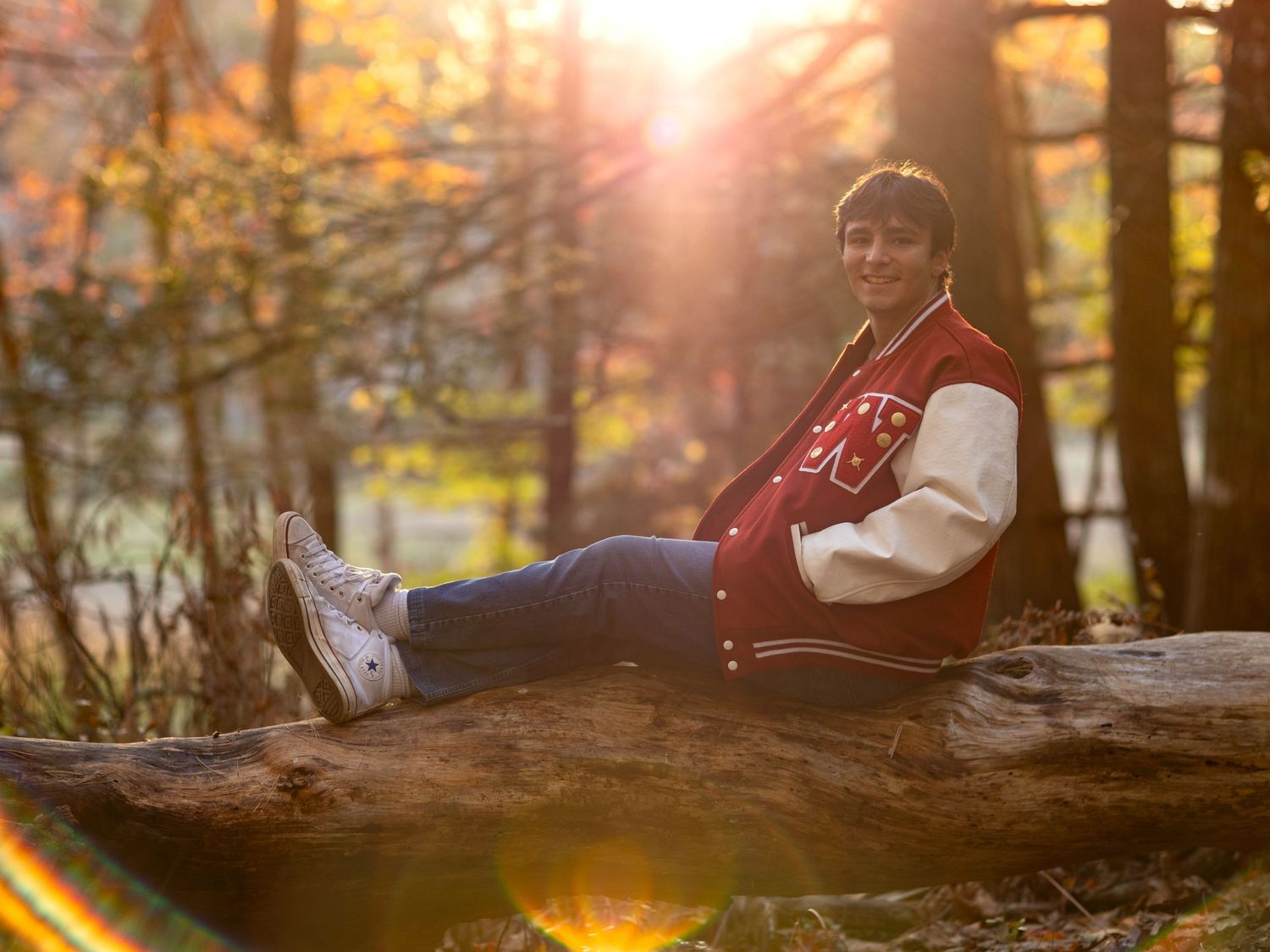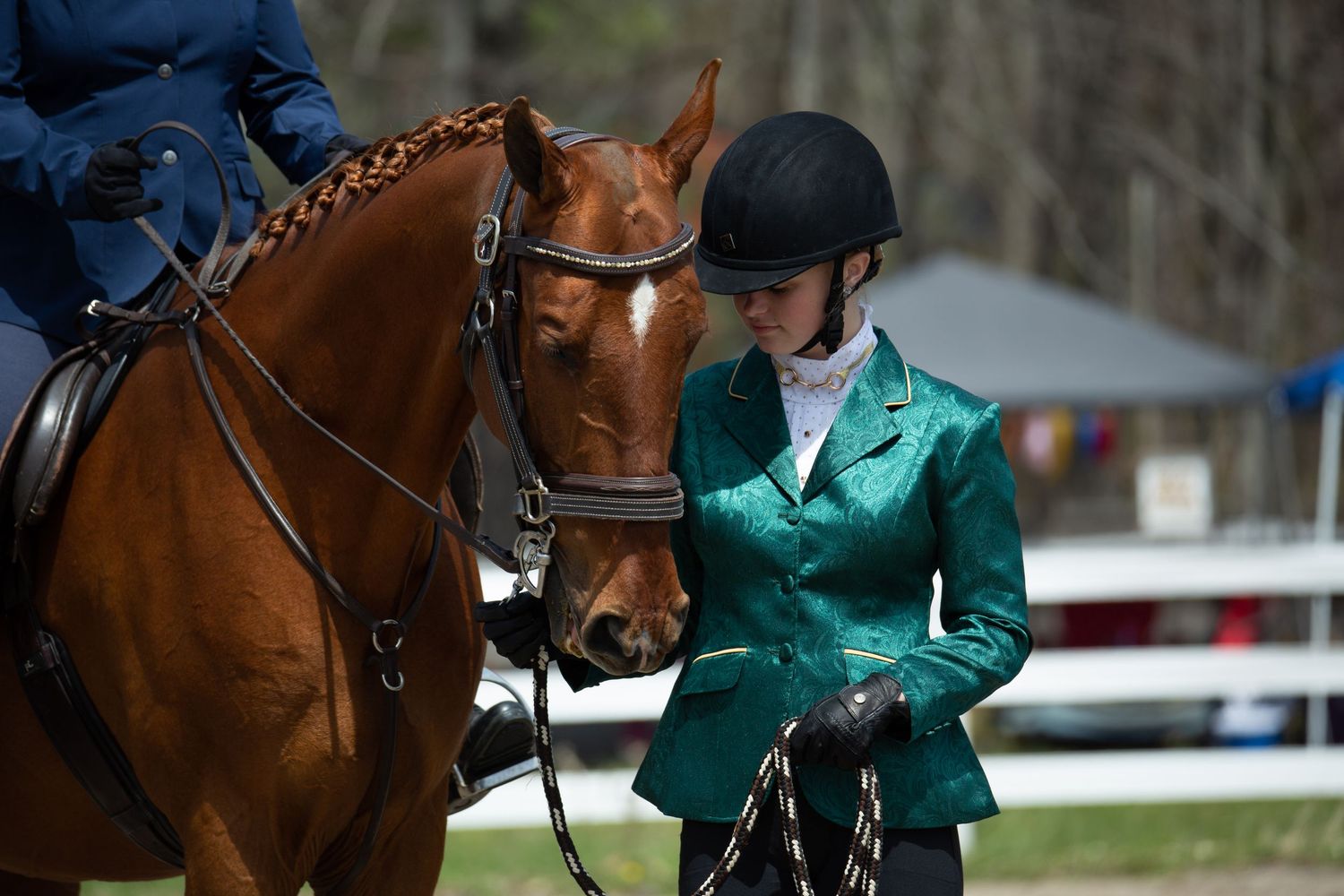

As a professional photographer, understanding light is the most important part of creating a strong photograph.
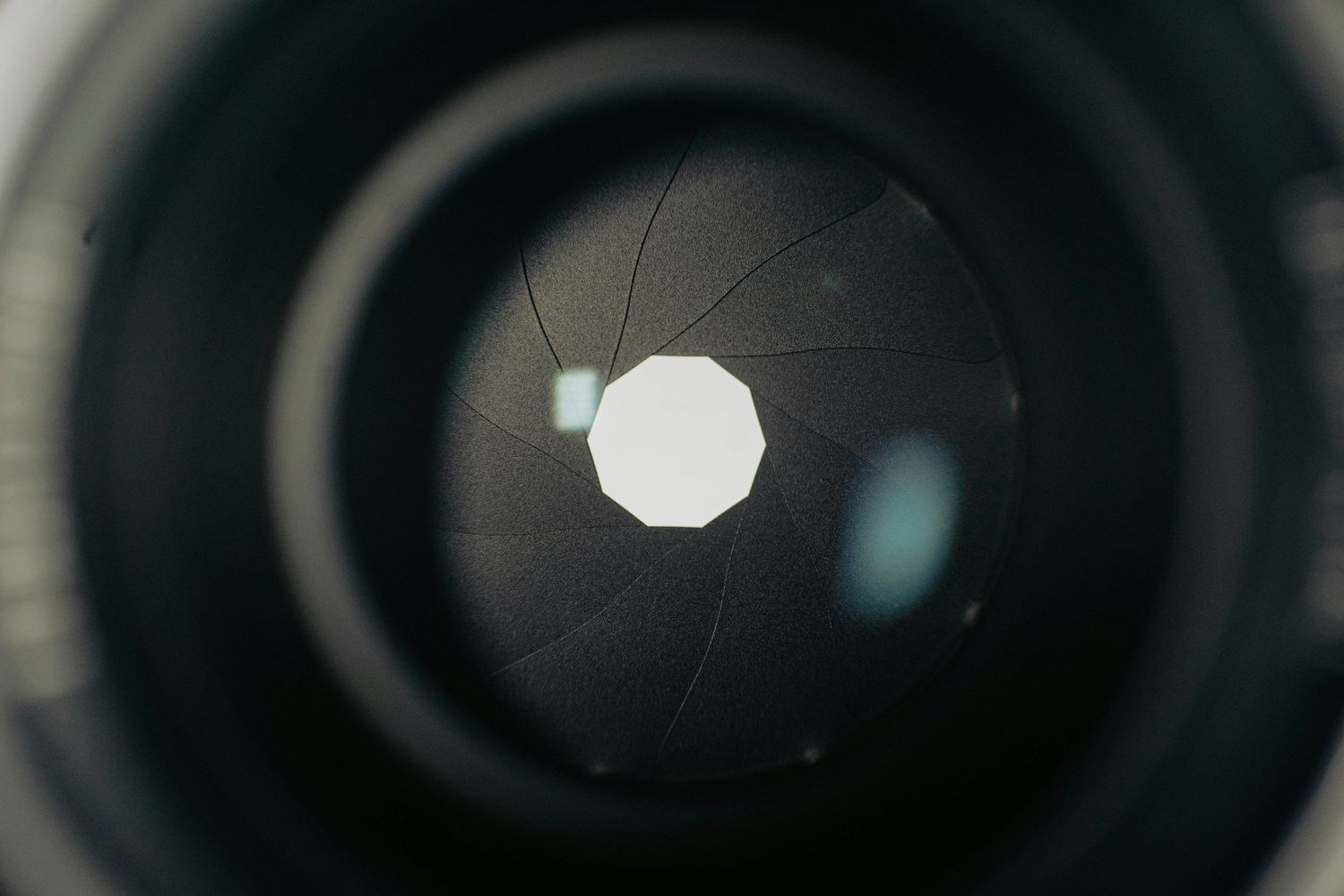
If you've ever picked up a camera and wondered why some photos look perfectly bright while others turn out too dark, too bright, or blurry, you're not alone.
Photography can seem confusing at first. Cameras have a lot of settings, strange terms, and buttons that don’t always make sense when you're just getting started.
But underneath all of those settings is one simple concept that every photographer learns first: the exposure triangle.
The exposure triangle is the foundation of photography. It explains how three settings on your camera work together to control how bright your photo is.
These three settings are:
• Aperture
• Shutter Speed
• ISO
Once you understand how these three things work together, photography becomes much easier to control and much more creative.
In this guide, we'll break down the exposure triangle in a simple way so you can begin understanding how photographers control light and create the images you see.
Before understanding the exposure triangle, it helps to understand one simple idea: A photograph is created when light hits the camera’s sensor. If too little light reaches the sensor, the image will look dark. If too much light reaches the sensor, the image will look too bright. The goal of a photographer is to control the amount of light reaching the sensor so the image looks balanced and natural. This balance of light is called exposure. A properly exposed photograph has the right amount of brightness, detail, and contrast. Your camera uses three main settings to control this light. These three settings work together and are known as the exposure triangle.
The exposure triangle is the relationship between three camera settings:
• Aperture
• Shutter Speed
• ISO
Each one controls how much light reaches the camera sensor, but each one also changes the look of the image in a different way. Understanding how these three settings work together allows photographers to control both brightness and creativity in their photos. Let’s look at each one individually.
Aperture refers to the opening inside your camera lens that allows light to enter. You can think of aperture like the pupil of your eye. When it's dark, your pupils expand to let in more light. When it's bright, they shrink to let in less. Camera lenses work the same way. A wide aperture allows more light to enter the camera. A narrow aperture allows less light to enter.
Aperture is measured using f-stops, such as: f/1.8, f/2.8, f/4, f/8, f/16. One thing that confuses many beginners is that smaller numbers mean a wider opening.
For example:
f/1.8 lets in a lot of light
f/16 lets in very little light
Aperture also controls depth of field, which affects how much of the image appears sharp. A wide aperture (like f/2) creates a blurred background, often used in portraits. A narrow aperture (like f/11 or f/16) keeps more of the scene in focus, which is often used in landscape photography.
Shutter speed controls how long the camera’s sensor is exposed to light. Inside your camera is a small shutter that opens and closes when you take a photo. The amount of time that shutter stays open determines how much light enters the camera.
Shutter speed is measured in fractions of a second, such as:
1/1000
1/500
1/250
1/60
1/30
A fast shutter speed lets in less light because the shutter opens and closes very quickly. A slow shutter speed lets in more light because the shutter stays open longer. Shutter speed also controls motion in your photo. Fast shutter speeds freeze action, which is helpful for sports, wildlife, or children running around. Slow shutter speeds can create motion blur, which can be used creatively for things like waterfalls, moving water, or light trails.
ISO controls how sensitive your camera’s sensor is to light. Lower ISO settings make the sensor less sensitive, which produces cleaner images with less digital noise. Higher ISO settings make the sensor more sensitive, which helps in darker environments but can introduce grain or noise into the image. Common ISO settings include: ISO 100, ISO 200, ISO 400, ISO 800, ISO 1600, and ISO 3200. In bright outdoor conditions, photographers usually keep ISO low. In darker environments, ISO is often increased so the camera can capture enough light.
Aperture, shutter speed, and ISO all work together to create a properly exposed image. If you change one setting, you often need to adjust another to keep the exposure balanced.
For example:
If you open the aperture wider to let in more light, you may need to increase the shutter speed to prevent the image from becoming too bright. If you increase ISO in a darker environment, you might be able to use a faster shutter speed. Learning how these three settings interact is the key to controlling light and creating intentional photographs.
Understanding the exposure triangle is one of the most important photography basics for beginners. Once you learn how aperture, shutter speed, and ISO work together, you gain far more control over your camera and your images. Photography becomes less about guessing and more about intentionally shaping light to create the photo you envision.
Understanding light is one of the foundations of photography.
While learning these settings can be rewarding, many families choose to hire a professional photographer so they can relax and be part of the memories themselves.
Learning the basics of photography can be incredibly rewarding. Understanding light, composition, and camera settings can help you capture meaningful everyday moments.
But when it comes to important memories: family portraits, senior photos, engagements, or special milestones... many people choose to hire a professional photographer so they can relax and simply enjoy the moment.
At Katrina Brothers Photography, I specialize in creating natural, timeless portraits along the southern Maine coastline. Sessions are designed to feel relaxed and enjoyable while capturing the authentic connection between families, couples, and individuals.
If you are thinking about updating your family photos, celebrating a senior year, or planning an engagement session, I would love to help you create images that will last for years to come.
September 12th, 2026
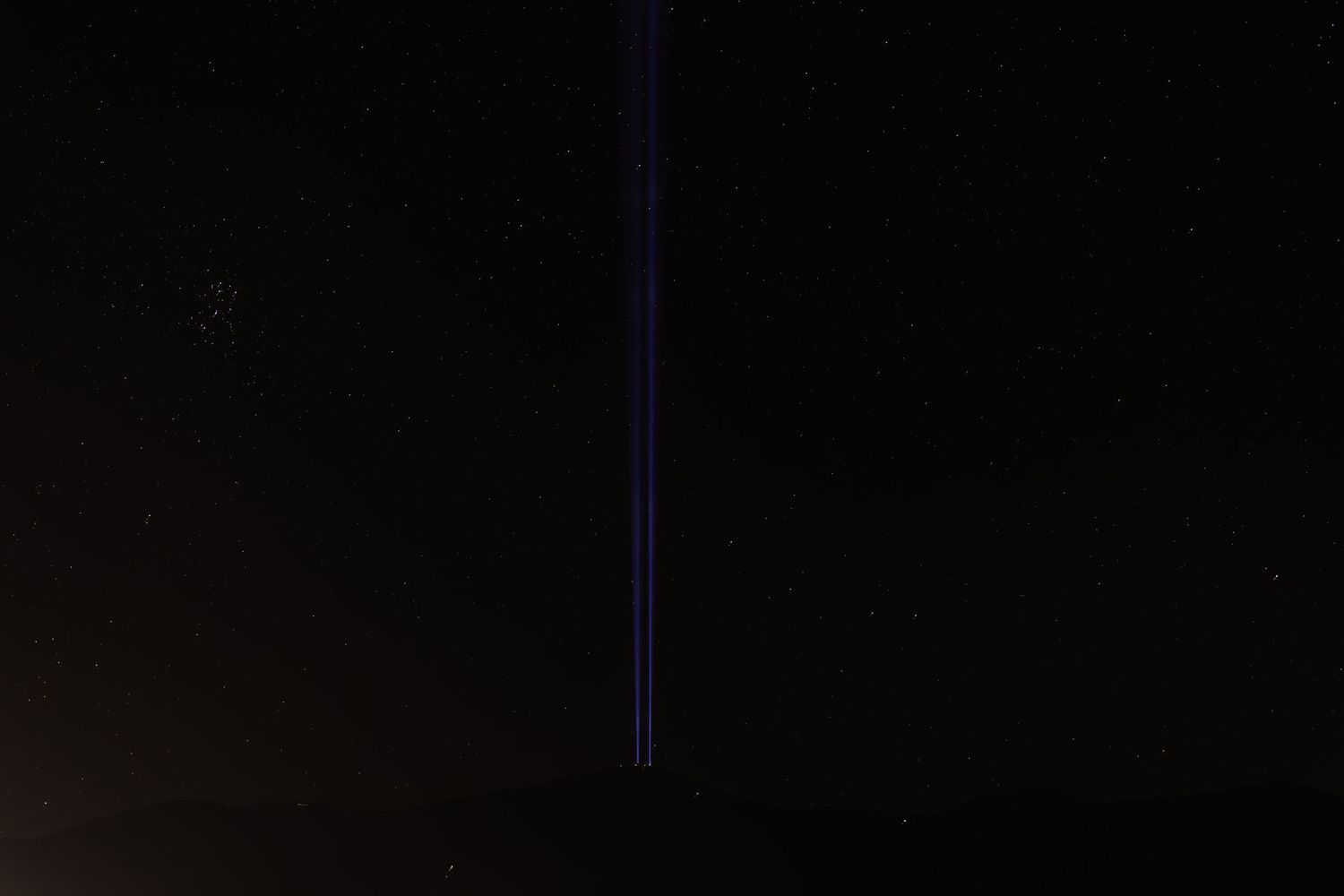
Twenty-Five Years Later: Photographing the Mount Washington 9/11 Memorial
September 4th, 2026
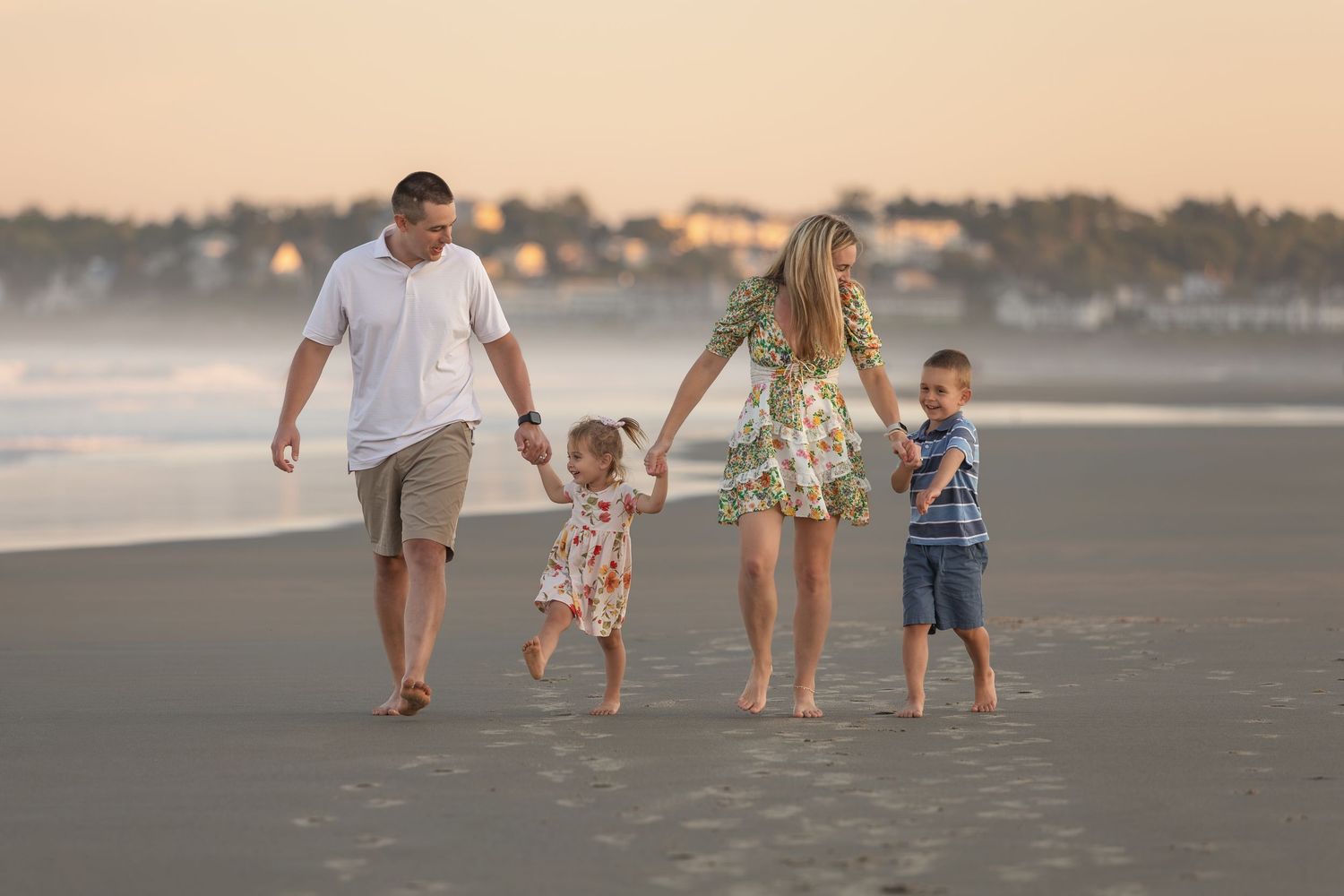
Blurring Children’s Faces Is Not Protecting Them: My Response to the Latest Photography Panic
Photography, Family Photography, For Parents, Photography Education
August 27th, 2026