Natural Light vs Artificial Light in Portrait Photography
Light is one of the most important elements in photography. It shapes the mood of an image, influences how skin tones appear, and determines how a subject stands out from the background.
Professional photographers spend years learning how to observe and work with light because the direction, intensity, and quality of light can completely change the look of a portrait.
In portrait photography there are generally two main types of light used:
• Natural light
• Artificial light
Both can create beautiful images when used intentionally.
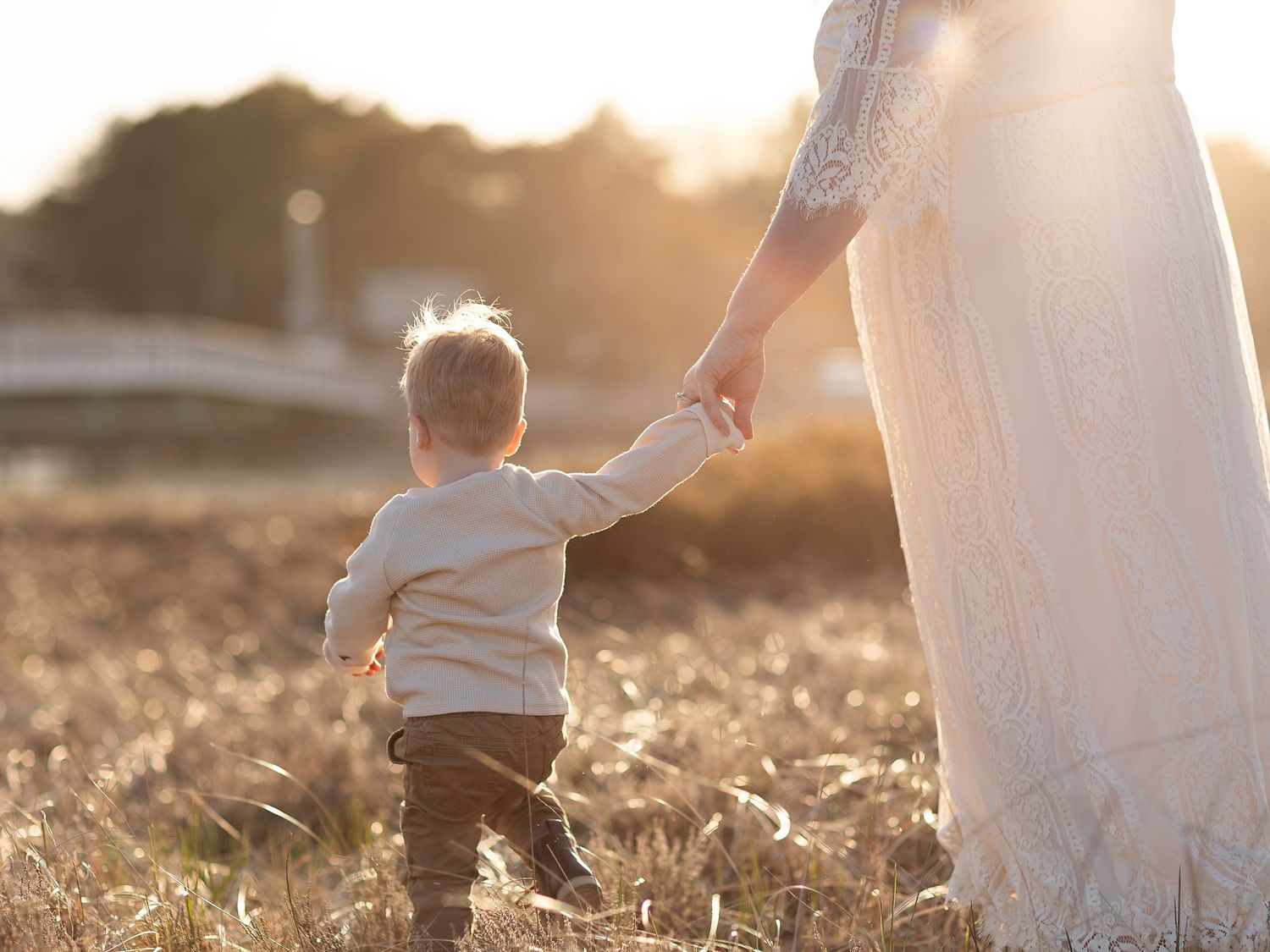
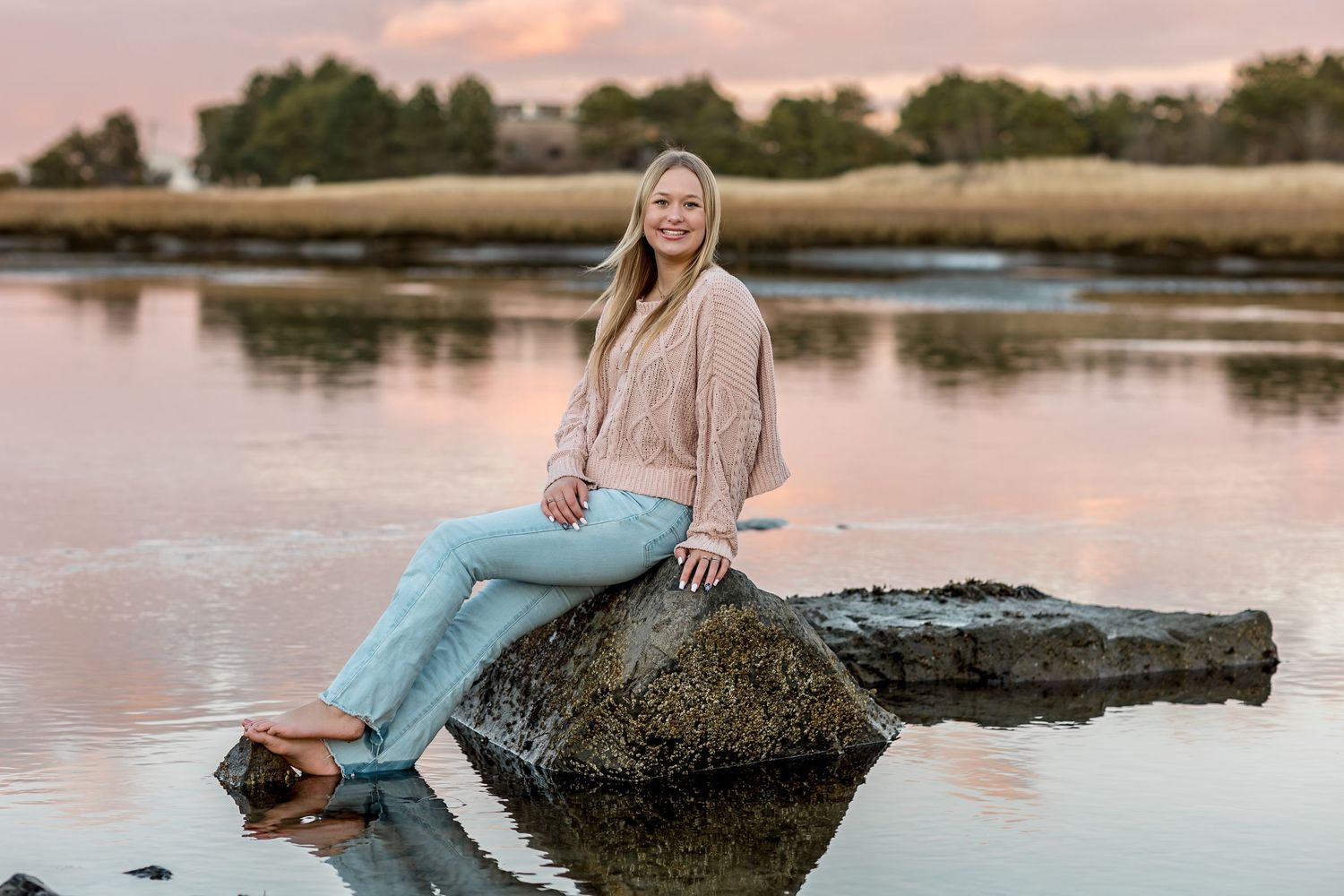
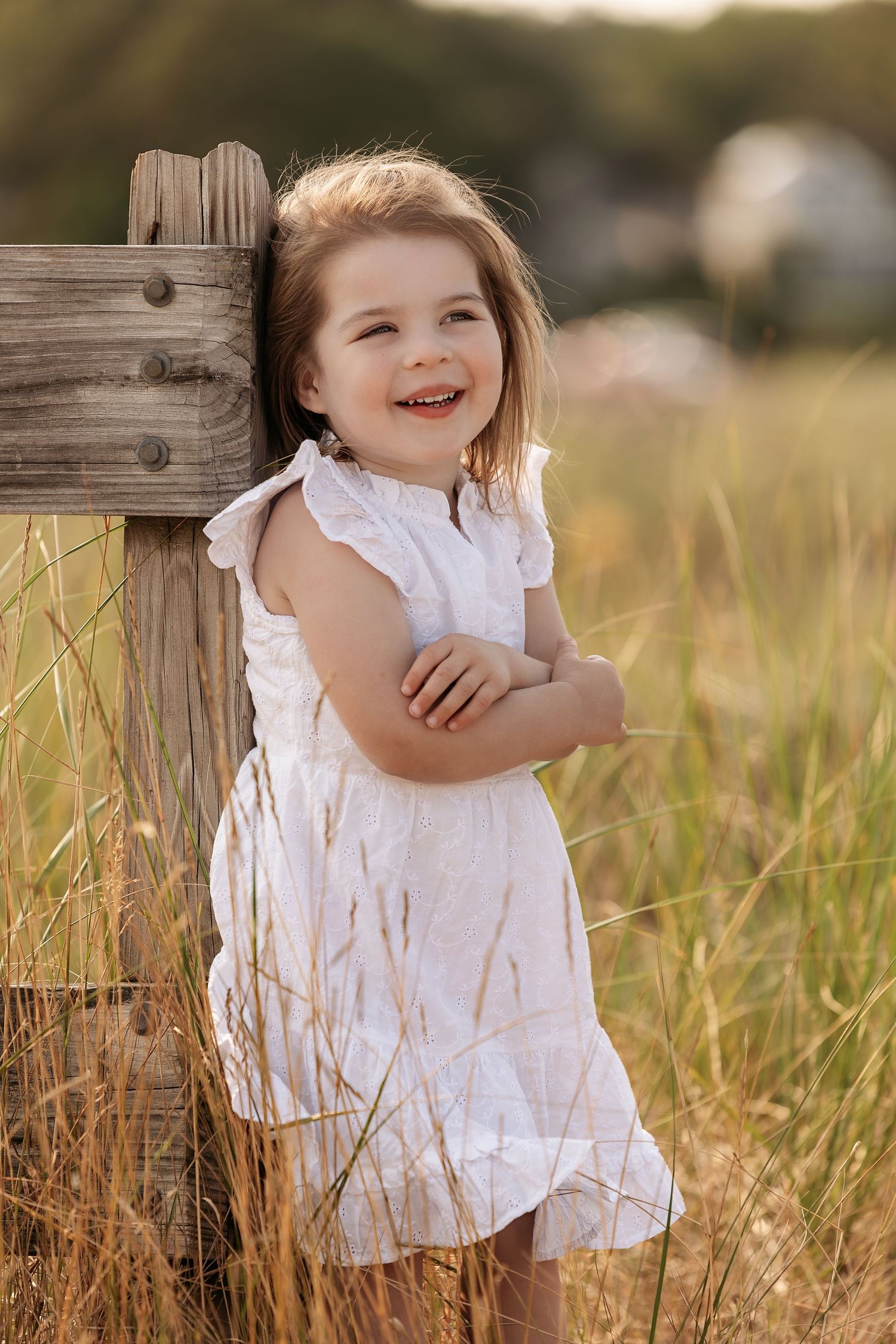
Natural light simply refers to light that comes from the sun. Many portrait photographers love working with natural light because it can produce soft, organic, and timeless images. One of the most beautiful times to photograph portraits using natural light is during golden hour, the period shortly before sunset when the sun sits lower in the sky.
During this time the sunlight becomes softer and warmer, creating flattering skin tones and gentle highlights. The lower sun also creates depth and dimension that helps subjects stand out naturally within the scene.
This is why many portrait sessions are scheduled in the evening when the light is at its best.
While natural light can be beautiful, it isn’t always predictable. Bright midday sunlight can create harsh shadows under the eyes and nose. Cloud cover or heavy shade can also create flat lighting that lacks depth.
In these situations photographers may need to adjust their approach to maintain balanced and flattering light.
Sometimes that means changing the location or waiting for better light. Other times it means introducing artificial lighting to help shape the scene.
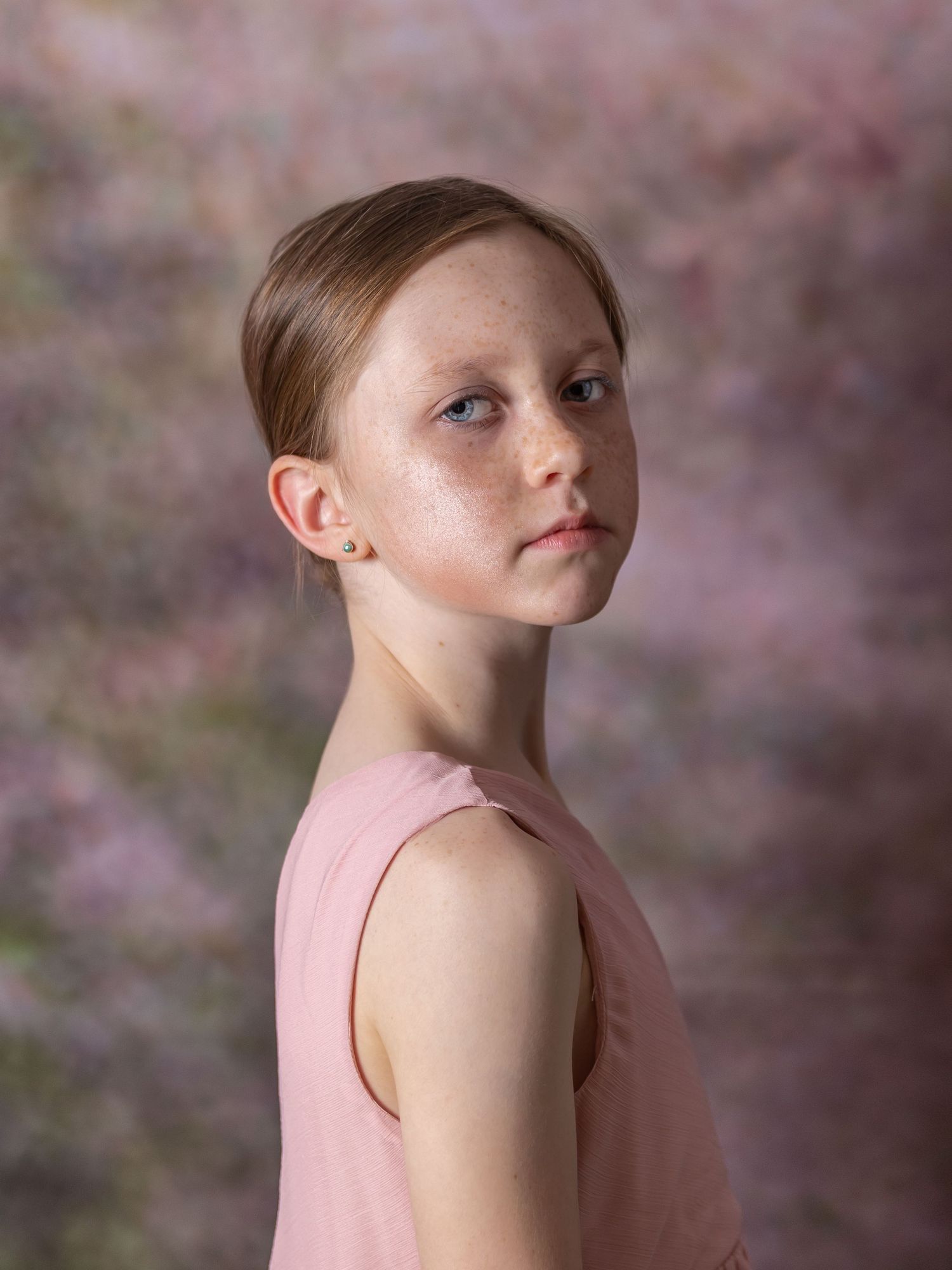
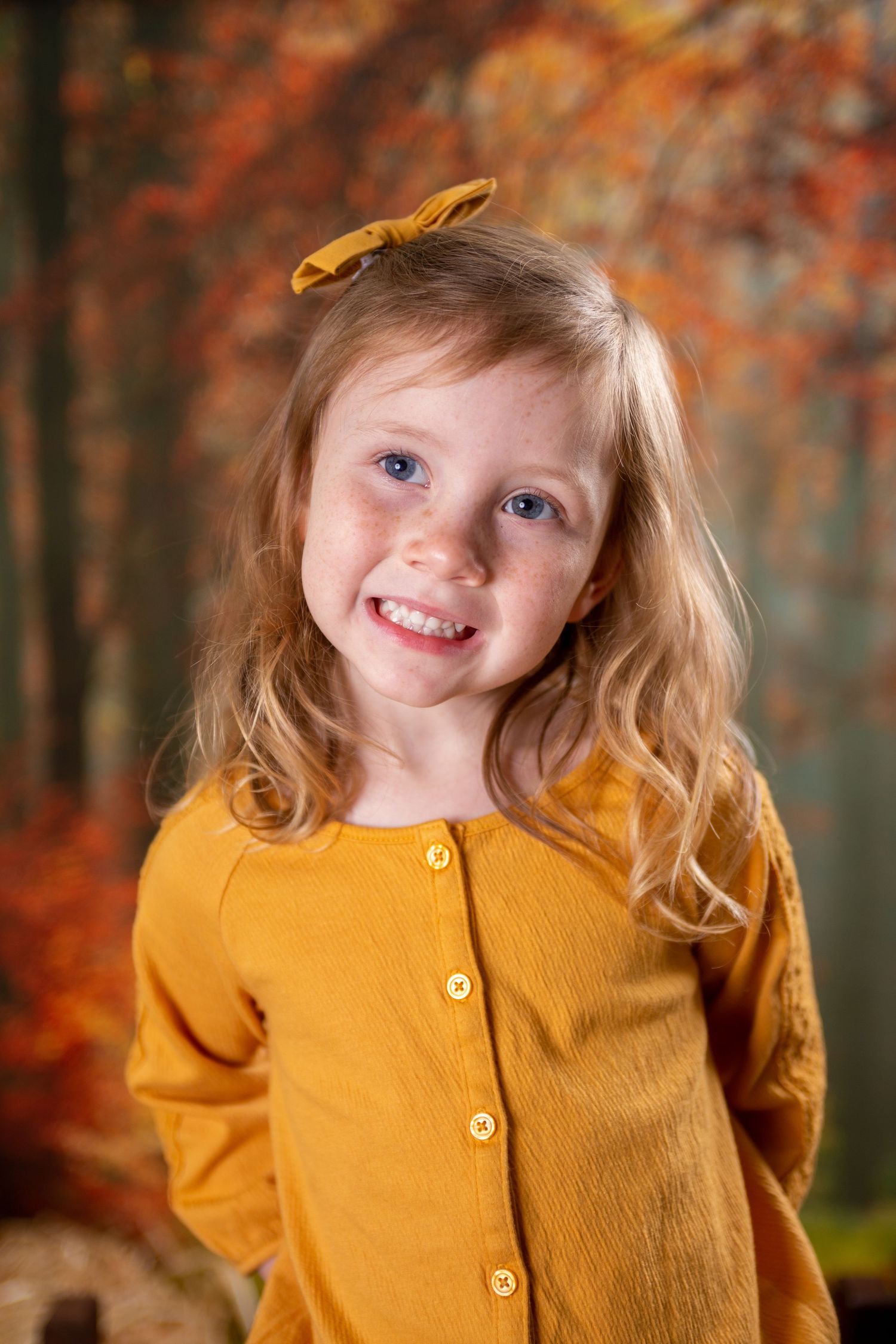
Artificial light refers to light created using professional lighting equipment such as studio flashes or portable strobes. These tools allow photographers to control and shape light in ways that natural light alone cannot always provide. For certain portrait situations I use professional off-camera lighting tools such as the Godox AD600Pro and the Godox AD400Pro.
These lights allow me to gently add light to a subject, balance bright backgrounds, or maintain consistent exposure when natural light conditions change. The goal is not to overpower natural light but to enhance it and create a natural looking portrait.
Many professional photographers actually combine both types of light. For example, during sunset sessions natural light often creates the beautiful atmosphere of the image, while additional lighting may be used subtly to fill shadows or maintain balanced exposure. This approach allows the final portrait to maintain the soft, natural feel of sunset light while still keeping the subject beautifully illuminated.
Understanding light is one of the biggest differences between casual photography and professional portrait photography. Two photographers could use the same camera and lens, yet produce completely different results based on how they use light. The ability to observe light, adjust positioning, and shape illumination is what allows professional portraits to feel polished, dimensional, and expressive. Lighting is not just about brightness... it is about creating mood, depth, and connection within the image.
Both natural light and artificial light can produce beautiful portrait photography when used thoughtfully.
Natural light provides warmth and atmosphere, while artificial lighting allows photographers to shape the scene when needed and maintain consistent results. The most important skill a photographer develops over time is the ability to recognize and work with light in all of its forms.
If you're planning family portraits, senior photos, or engagement photos along the southern Maine coastline, sessions are carefully timed to take advantage of beautiful natural light and professional lighting techniques when needed.
The goal is always the same: creating portraits that feel natural, timeless, and full of connection.